Case Description
During a routine flight, the crew observed a sudden drop in the Reduction Gear Assembly (RGB) oil pressure, indicated by the "G" needle on the cockpit's dual pressure indicator. The pilot performed an emergency engine shutdown and feathered the propeller to prevent the airflow from windmilling the engine, which could have led to a catastrophic mechanical breakup
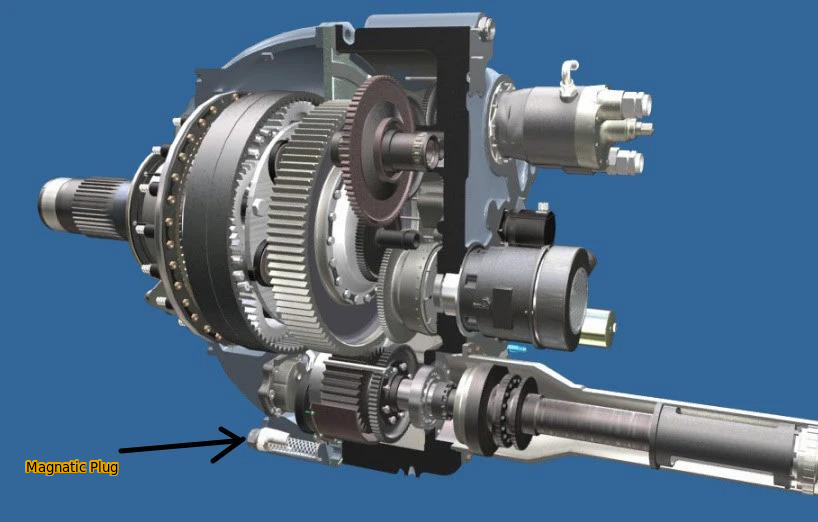
. Upon landing, technicians performed a resistance check on the RGB magnetic plugs (magplugs) located in the front case and found a significant drop in resistance, indicating the presence of conductive debris
. A subsequent visual inspection of the magplugs revealed large pieces of metal, confirming a severe internal failure of the RGA gear train or bearings (such as the pinion, main drive, or planetary gears) [126, 127, 128, Conversation History]. Due to the high risk of cross-contamination through the common return oil lines, the decision was made to perform a Quick Engine Change (QEC) and send the power plant to the shop for a major teardown and RGA replacemen
Required Tools
Ohmmeter: Required to perform the initial electrical resistance check on the magnetic plugs before removal
.
Standard Mechanic’s Hand Tools: For the removal of access panels and magplug units.
QEC Hoist and Engine Stand: Necessary for the removal of the contaminated engine and installation of the serviceable unit
.
Oil System Flushing Rig: Used to clean the 20-gallon oil tank, oil cooler, and nacelle lines to ensure no residual metal remains in the system
.
Torque Wrench: Required for the precision re-rigging of throttle and condition lever linkages
Safety Protocol
Propeller Feathering: Ensure the propeller is fully feathered during shutdown to eliminate the rotational forces that generate further internal heat and debris
.
Burn Hazards: Use caution when removing magplugs or draining oil immediately after flight, as the scavenge oil can reach temperatures up to 82°C
.
Hazardous Materials: Handle metal-contaminated oil as a hazardous material; avoid skin contact with the oil (MIL-L-23699) and metal "chips" which may be sharp
.
Safetying: All turnbuckles and critical fluid connections must be properly safetied with clips or wire during the QEC installation to prevent loosening due to vibration
.
System Isolation: Ensure the fire shutoff valves are closed during engine removal to prevent accidental fuel or oil spills
Lessons Learned
.
Early Detection Value: The magplug's ability to provide a resistance check allows for a "no-disassembly" diagnosis of internal failure, saving time and preventing further engine runs that would increase contamination
.
Contamination Control: In a dry-sump system where oil returns to a common tank, a failure in one section (RGA) can potentially contaminate the other (Power Section)
.
Total System Hygiene: Replacing the gearbox alone is insufficient after a major metal-generating event; the entire oil system (lines, tank, and cooler) must be flushed to protect the new components from secondary damage